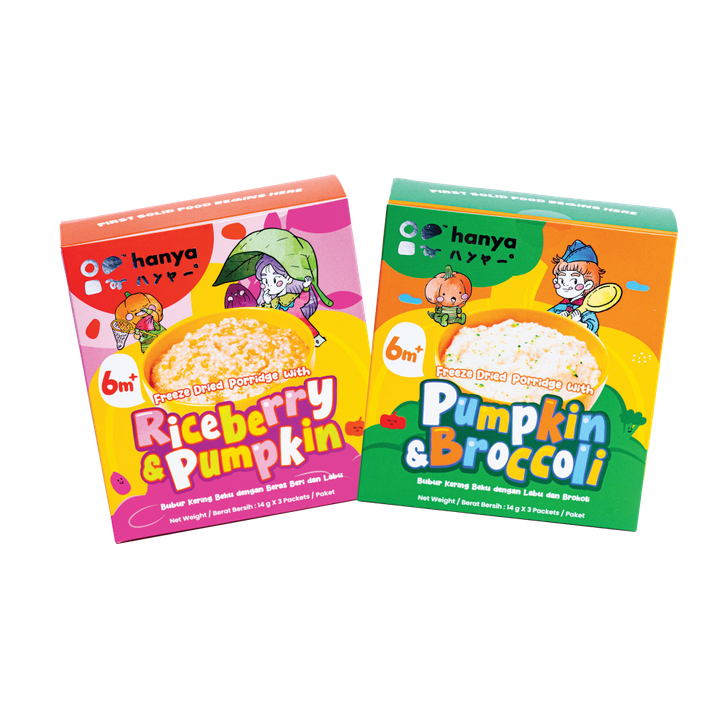
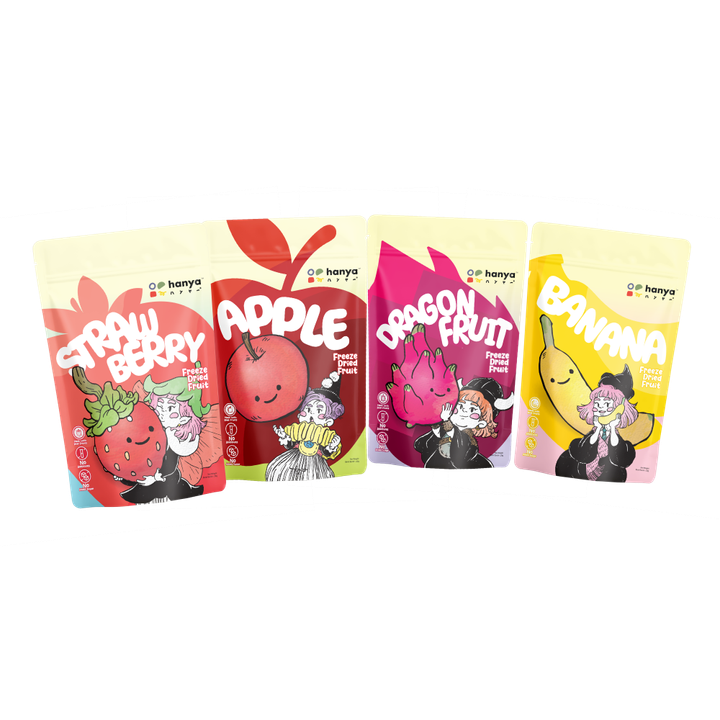
Is your little one approaching 6 months? You might be wondering what foods are suitable, how much to offer and where to begin.
Starting solids is an exciting milestone for both babies and parents. From their first spoonful of porridge to exploring different fruits and vegetables, this is the beginning of a new food adventure!
However, knowing what to introduce and how to prepare it safely can feel overwhelming, especially for first-time parents.
Don't worry, mama! Here's a simple guide to help you get started.
When Is Your Baby Ready to Start Solid Foods?
Most babies are ready to start complementary foods at around 6 months of age.
Before introducing solids, look for signs of readiness:
Your baby can stay in a sitting position and hold their head steady.
Your baby can coordinate their eyes, hands and mouth to look at food, pick it up and bring it towards their mouth.
Your baby can swallow food instead of automatically pushing it back out with their tongue.
Remember, chewing on their hands, waking up at night or wanting extra milk are not reliable signs of readiness on their own.
Breast milk or infant formula should remain your baby's main source of nutrition during the early stages of complementary feeding.
What Foods Can a 6-Month-Old Baby Eat?
At around 6 months, babies can begin exploring a variety of foods with different flavours and textures.
It's important to offer a balanced selection from different food groups rather than focusing on just fruits and vegetables.
1. Iron Rich Foods
Iron is especially important during infancy because babies' iron stores begin to decrease around this stage.
Suitable options include:
Iron-fortified infant cereals
Well-cooked and finely mashed meat
Fish with all bones carefully removed
Eggs that are thoroughly cooked
Mashed beans and lentils
Try to include iron-rich foods regularly as part of your baby's meals.
2. Vegetables
Vegetables introduce different flavours, colours and nutrients to your baby's diet.
Some beginner-friendly options include:
Pumpkin
Carrot
Sweet potato
Broccoli
Spinach
Cook vegetables until soft and prepare them in a texture suitable for your baby's development, such as smooth or thicker mashed puree.
3. Fruits
Fruits offer natural sweetness and variety, making them a popular starting point for many parents.
You can introduce:
Banana
Avocado
Apple
Pear
Papaya
Serve fruits mashed or cooked until soft when necessary. Avoid hard raw fruit pieces that could cause choking.
4. Grains and Cereals
Grains provide energy and help introduce different food textures.
Suitable options include:
Rice porridge
Iron-fortified infant cereal
Soft-cooked oats
Well-cooked rice, mashed to an appropriate consistency
Choose plain options without added sugar or salt.
5. Protein Rich Foods
Protein containing foods provide important nutrients for growth and development.
Suitable choices include:
Fully cooked egg
Soft, finely minced chicken
Well-cooked fish without bones
Mashed tofu
Soft-cooked lentils
Introduce common allergenic foods, such as egg, peanut in an age-appropriate form, wheat and fish, one at a time and in small amounts. If your baby has severe eczema or an existing food allergy, consult your healthcare professional before introducing peanut.
How Should You Prepare Food for a 6 Month Old Baby?
At the beginning of complementary feeding, babies are still learning how to move food around their mouths and swallow.
Here are some simple preparation ideas:
| Food | Preparation idea |
|---|---|
| Pumpkin | Steam until soft and mash |
| Carrot | Cook until very soft and puree or mash |
| Banana | Mash until smooth |
| Avocado | Mash with a fork |
| Apple | Peel, cook until soft and puree |
| Broccoli | Steam until soft and mash |
| Rice | Cook until soft and prepare as porridge |
You can gradually move from smooth purees to thicker mashed and lumpy textures as your baby develops their feeding skills.
Avoid keeping your baby on smooth purees for too long. Progressing textures at an appropriate pace helps babies learn to handle different foods.
How Much Food Should a 6 Month Old Baby Eat?
When your baby first starts solids, the amount may be very small.
Start with a small amount, such as 1–2 teaspoons, and gradually increase according to your baby's appetite and ability.
A few helpful tips:
Begin with small portions.
Offer food when your baby is calm and not overly hungry or tired.
Allow your baby to explore new tastes and textures.
Follow your baby's hunger and fullness cues.
Continue breastfeeding or offering infant formula as usual.
There is no need to force your baby to finish a serving. Learning to eat is a gradual process.
Foods to Avoid for Babies Under 1 Year Old
Not every food is suitable for babies during their first year.
Pay attention to these important precautions:
1. Honey
Avoid honey before 12 months because it can cause infant botulism.
2. Added Salt and Sugar
Avoid adding salt, sugar or sweeteners to your baby's food. Babies do not need these added ingredients.
3. Whole Nuts and Hard Foods
Whole nuts, popcorn, hard raw vegetables and other hard foods can pose choking risks.
If introducing peanut or other nuts, use a smooth, thinned form mixed into food. Never offer whole nuts.
4. Unpasteurised Foods
Avoid unpasteurised milk, cheese and other unpasteurised dairy products due to the risk of harmful bacteria.
5. Cow's Milk as the Main Drink
Cow's milk should not replace breast milk or infant formula as your baby's main drink before 12 months. Small amounts of pasteurised full-fat dairy can be used in food preparation where appropriate.
What Does a Simple Feeding Schedule Look Like?
Every baby develops differently, so there is no single feeding schedule that works for everyone.
Here's an example of how a day might look when your baby is beginning complementary feeding:
| Time | Meal idea |
|---|---|
| Morning | Breast milk or infant formula |
| Late morning | A small serving of mashed banana |
| Afternoon | Breast milk or infant formula |
| Evening | A small serving of pumpkin porridge |
| Before bedtime | Breast milk or infant formula |
Start with small amounts and gradually work towards more frequent meals as your baby becomes comfortable with solids. Follow your baby's appetite and your healthcare professional's guidance.
Frequently Asked Questions (FAQs)
1. Can I give my 6-month-old baby fruits first?
Yes. Fruits can be introduced from around 6 months. However, remember to offer iron-rich foods regularly as part of a balanced complementary diet.
2. Should I start with puree or baby-led weaning?
Both spoon-feeding and baby-led weaning can be suitable approaches when food is prepared safely and your baby is developmentally ready. Parents can also use a combination of both methods.
3. Can I give my baby water at 6 months?
Yes. You can offer small sips of safe drinking water from an open cup with meals once complementary feeding begins. Breast milk or infant formula should remain the main source of fluids.
4. Should I introduce one new food at a time?
Introducing single-ingredient foods initially can make it easier to identify a possible reaction. For common allergens, introduce them individually in small amounts so that reactions can be identified.
5. What if my baby refuses food?
Don't force your baby to eat. Allow them to explore the food and try offering it again another day. It may take several attempts before they become comfortable with a new taste or texture.
Every Little Bite Is a New Beginning!
Starting solids is more than introducing food. It's about helping your little one discover new tastes, textures and eating experiences.
Start slowly, offer a variety of nutritious foods and let your baby explore at their own pace.
Every little bite is another step in their growing journey!
References
World Health Organization (2023) – WHO Guideline for Complementary Feeding of Infants and Young Children 6–23 Months: https://www.who.int/publications/i/item/9789240081864
CDC – When, What and How to Introduce Solid Foods: https://www.cdc.gov/infant-toddler-nutrition/foods-and-drinks/when-what-and-how-to-introduce-solid-foods.html
NHS – Your Baby's First Solid Foods: https://www.nhs.uk/baby/weaning-and-feeding/babys-first-solid-foods/